Top 10 SEO Tools
The SEO tool market is crowded, expensive, and full of overlap. If you are starting out, you do not need all of them; you need to know which tool answers which question. This lesson maps the ten tools most working SEOs actually open every week, and explains when each one earns its subscription.
What It Actually Is
Just The Flight's UK flight comparison and booking site An 87% loss in organic visibility after Google's Panda and Penguin updates (2011-2014), with no clear page-by-page picture of what was actually wrong Screaming Frog ran a full-site crawl-based technical audit, flagging thin content, duplicate pages, and low-quality sections across the site page by page
Result: Roughly 70% recovery in organic visibility, translating into meaningful gains in organic traffic, sales, and revenue (2011-2014 audit and recovery period).
SourceAn SEO tool is software that helps you do one of four jobs: find keywords people search for, audit your site for technical problems, track your rankings, or analyze competitors' backlinks and content. Ahrefs, for example, crawls roughly 30 trillion known links and updates its index every 15 minutes, so you can paste any competitor URL and see which pages drive their traffic.
Why It Matters (with data)
SEO tooling is now a serious budget line. Ahrefs generated $149.1 million in revenue across 2024, and Semrush crossed $100 million in a single quarter for the first time in Q1 2025, according to a revenue breakdown by ElectroIQ. Semrush has over 10 million registered users globally, though only about 117,000 pay, the rest live on the free tier.
Pricing has climbed sharply: Semrush's entry Pro plan is now $139.95 per month and the Guru plan is $249.95, per a pricing comparison from BrightSEOTools. That is why choosing the right two or three tools, not all ten, matters.
How It Works / The Playbook
IKEA Turkey's roughly 50,000-page ecommerce site, managed by agency GroupM The site's keyword mix was mostly brand-heavy queries, and unresolved technical issues, redirect chains, duplicate meta titles and descriptions, 404 errors, non-200 pages in the sitemap, were capping how much new content could actually rank GroupM used Ahrefs' Site Audit to find and fix the technical issues, raising the site's Health Score from 51 to 91, then built out 1,000+ new non-branded category and content pages
Result: A 115% increase in non-branded organic traffic and a 252% rise in impressions in just under 9 months (9 months (measured July 2022-September 2023)).
SourceThe ten tools below cover every job a beginner SEO needs.
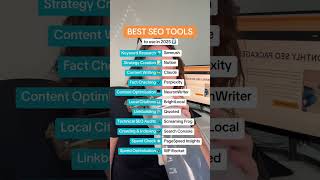
- Google Search Console (free). The source of truth for how Google sees your site. Use it for indexing issues, Core Web Vitals, and the queries already driving clicks.
- Google Analytics 4 (free). Pairs with GSC to show what visitors do after they land. Set up conversions before you touch any paid tool.
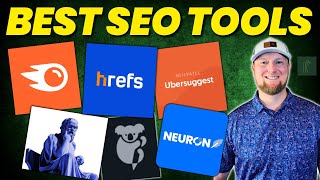
- Ahrefs (from $129/mo). Best-in-class backlink index and Site Explorer. Use it when link analysis or competitor content gaps are the priority.
- Semrush (from $139.95/mo). Broader all-in-one suite covering SEO, PPC, and AI visibility tracking. Better for solo marketers who also run ads.
- Screaming Frog SEO Spider (free up to 500 URLs, then 259 GBP/yr). Desktop crawler for technical audits, redirect chains, missing titles, broken links.
- Moz Pro (from $49/mo). Cheaper than Ahrefs or Semrush, strong Domain Authority metric, good for client reporting.
- Surfer SEO (from $89/mo). On-page content optimization based on SERP analysis. Useful when you write a lot of blog posts.
- AccuRanker (from $129/mo). Dedicated rank tracker with hourly updates. Worth it only when daily ranking accuracy is critical.
- Sitebulb (from $13.50/mo). Visual technical audits with prioritized recommendations, friendlier than Screaming Frog for non-engineers.
- Ubersuggest (from $12/mo or one-time $120). Cheapest entry point for keyword ideas and basic competitor research.
Backlinko's Brian Dean rebuilt his site's content strategy around Ahrefs' Content Gap report, finding keywords competitors ranked for that he did not. According to Backlinko's 2026 Ahrefs vs Semrush comparison, Ahrefs' backlink index and keyword database remain its core moat, while Semrush wins on AI visibility tracking and PPC features. Backlinko itself uses both, but most readers do not need to.
Common Mistakes
- Paying for Ahrefs or Semrush before setting up Google Search Console. GSC is free and tells you what is already working, start there.
- Buying a tool because a YouTuber recommended it. Most affiliate reviews push the highest commission, not the best fit. Use free trials.
- Tracking 500 keywords on day one. Pick 20 commercial keywords that matter, watch those weekly, ignore the rest.
- Treating Domain Authority or Domain Rating as Google ranking factors. They are third-party scores, useful for relative comparison only.
- Running Screaming Frog on a 100,000-URL site without configuring crawl limits, then wondering why your laptop froze.
Key Takeaways
- Start free: Google Search Console plus Google Analytics 4 cover 70 percent of what a beginner needs.
- If you can only afford one paid tool, pick Ahrefs for backlink-heavy work or Semrush for broader marketing coverage.
- Screaming Frog (or Sitebulb) is the one technical-audit tool nobody should skip; the free tier handles small sites.
- Tool prices rose 15 to 25 percent across 2024 and 2025, budget annually, not monthly, and use the free trial week to extract what you need.