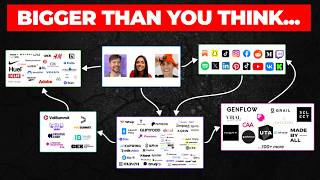
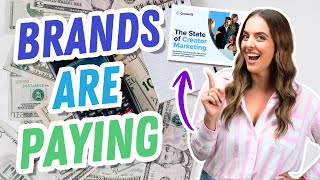
The creator economy hit $310 billion in 2026 and is projected to cross $1 trillion by the early 2030s. Influencer marketing alone reached $32.55 billion in 2025, a 35.6% jump over the prior year. Brand partnerships now account for roughly 70% of total creator income, which means creators are as dependent on brands as brands are on them.
This changes how you negotiate, structure, and measure creator programs. The brand that treats creators like vendors loses. The brand that treats them like co-owners wins.
Micro, Macro, Nano: Pick the Right Tier
Size is not the metric that matters. Trust is.
Nano creators (under 10K followers) run at ~18% engagement on TikTok. They feel like a friend recommending something, which is why conversion rates on targeted offers can hit 22–30%. Micro creators (10K–100K) land at 12% engagement and cost roughly $0.20 per engagement vs. $0.33 for macro. Macro creators (100K–1M+) drop to 8% engagement but reach audiences you cannot build organically overnight.
The strategic answer is a pyramid: macros for launch momentum and cultural signal, micros and nanos for always-on conversion. A 2025 Later survey found 73% of brands preferred micro and mid-tier creators specifically because the engagement-to-cost ratio outperformed every other tier. Build your core roster at the micro level and activate macros for tentpole moments.
Four Partnership Models
Not all deals are built the same. Each model trades cost, control, and alignment differently.
Paid sponsorship is the simplest: a flat fee for a post or series. Fast to execute, easy to benchmark, but the creator has no skin in the game after the check clears. Affiliate/commission flips the risk, creators earn a percentage of sales they drive. Attribution is clean via coupon codes or tracked links, and it scales without budget risk, but top creators often reject pure performance deals unless the product is genuinely loved.
Co-created products tie the creator to the brand's revenue in a real way, a limited-edition collab, a co-branded product line, or a capsule they helped design. These require more lead time but generate press, community energy, and creator buy-in that money alone cannot buy. Creator-as-employee (brand ambassador) is the deepest commitment: the creator posts regularly, may hold exclusivity clauses, and acts as an ongoing face of the brand. Best reserved for creators whose audience demographic matches your ICP almost exactly.
Finding and Vetting Creators
Discovery is easy. Vetting is where brands lose money.
Start with audience quality checks before anything else. A creator with 200K followers and 1% engagement is a red flag, average engagement for that tier should be 3–6% on Instagram, higher on TikTok. Use tools like HypeAuditor, Modash, or Upfluence to run fake follower scans; accounts with sudden follower spikes or engagement that doesn't match post content are almost always bot-inflated.
Run a brand safety audit on their last 90 days of content. Check for political statements, competitor mentions, controversy, and audience comments. Pull their past performance benchmarks from any platform-level data they can share (Meta Creator Marketplace, TikTok Creator Marketplace both surface real reach data). A creator who resists sharing past metrics is a creator whose past metrics don't hold up.
Briefing Creators: Loose Wins
Instagram and TikTok, U.S. market Zillow wanted authentic relevance inside the viral 'demure' trend without producing a scripted, corporate-sounding integration Zillow gave creator Jools Lebron the loosest possible brief, naming her 'Chief Demure Officer' just four days after the trend's peak instead of writing a scripted ad
Result: The campaign generated 2.5 million impressions, 1.8 million video views, and over 82,000 likes across Instagram and TikTok (August 2024).
SourceThe biggest mistake brands make is treating the creator brief like a script.
Over-directing kills performance. Creators know their audience's tone, cadence, and sense of humor, you don't. A tight brief that specifies every word forces creators to produce corporate content through their channel, and their audience feels it immediately. Engagement drops. The post flops. The brand blames the creator.
A loose brief covers three things: the one core message to land, the mandatory disclosures (FTC/ASA compliance), and the hard no-list (competitor mentions, claims the legal team vetoed). Everything else belongs to the creator. Give them the product, give them context, then get out of the way. The brands seeing the highest organic performance in 2025-2026 are the ones who brief for outcomes, not outputs.
Whitelisting: Your Paid Ads Secret Weapon
Whitelisting (also called allowlisting or partnership ads) is when a creator grants your brand permission to run paid ads using their account handle and content. The ad appears to come from the creator, not your brand page, and that distinction is everything.
Whitelisted creator ads consistently deliver 1.5–2x higher ROAS than standard brand creative across Meta and TikTok. Brands like Fabletics used creator whitelisting to cut customer acquisition cost by 30% and scale spend to $150K/month at strong ROAS. The reason is simple: the content looks native, not corporate. A 2025 Influencer Marketing Hub survey found a 30%+ lift in conversion rates for campaigns using whitelisting vs. organic-only creator posts.
To activate whitelisting, you need explicit written permission in your partnership agreement, creator account access via Meta's Partnership Ads tool or TikTok Spark Ads, and a clear split on how long you can run the creative. Negotiate whitelisting rights upfront, it is far harder to add after a deal closes.
Measuring Creator Campaigns
Impressions are a vanity metric. Here is what actually tells you if the program is working.
Earned Media Value (EMV) converts creator reach and engagement into a dollar estimate based on equivalent paid media cost. Useful for board reports, not for optimizing campaigns. Earned reach measures how far content traveled beyond the creator's own audience, reposts, shares, UGC sparked by the post. Coupon code attribution is the most direct signal for e-commerce: each creator gets a unique code, and you track redemptions in your order management system.
For whitelisted content, run pixel-based ROAS the same way you track paid social. You now have a direct line from creator content to purchase event, use it. Segment performance by creator tier, content format, and product category. The patterns that emerge over 8–12 weeks become your creator investment thesis.
Building a Program, Not a Series of One-Offs
Singapore and wider Southeast Asia Grab needed creator relationships that compounded past a single campaign moment, building on its first formal brand-ambassador deal Starting from its 2022 brand-ambassador partnership with badminton champion Loh Kean Yew, Grab expanded into an ongoing, trackable creator program across the region instead of repeating one-off activations
Result: Grab's creator partnership program has grown to more than 70 tracked creator collaborations across Southeast Asia (2022 to 2026).
SourceOne-off deals generate one-off results. A creator program generates compounding returns.
A structured roster means you have creators at each tier under contract with recurring content calendars, monthly or quarterly post schedules with pre-agreed formats. Exclusivity clauses should be narrow and specific: exclude direct competitors only, for a defined window (90 days is standard), in exchange for meaningful compensation. Blanket exclusivity kills creator earnings and breeds resentment.
Use a shared content calendar tool (Notion, Airtable, or a dedicated platform like Grin or Creator.co) to track deliverables, approval status, and go-live dates. Build in a 7-day review window for brand safety checks, not creative direction. Review for compliance, not taste. The brands that scale creator programs to 50+ active creators in 2026 are the ones who built systems, not the ones who micromanaged posts.
Start your roster at the micro tier, 10 to 20 creators in your niche, under contract with affiliate terms plus a base fee. Run them for 90 days, identify your top 3 performers by attributed revenue, then negotiate whitelisting rights and increase their retainers. Build up from proof, not from reach.
Never negotiate whitelisting rights after a deal closes. Add a standard whitelisting clause to every creator agreement before signing, retroactive permission requests are awkward, slow, and often refused.