The IKEA Effect
What It Is
The IKEA Effect is a cognitive bias where people place a higher value on things they helped make. The name comes from the Swedish furniture brand whose customers assemble their own purchases. Even though the end product is identical to one a professional might build, the person who built it tends to love it more.
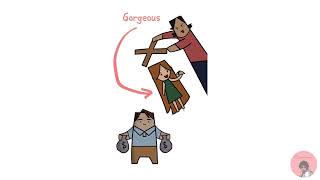
This was proven in a landmark 2011 study by Michael Norton, Daniel Mochon, and Dan Ariely at Harvard Business School. They found that participants were willing to pay 63% more for furniture they had assembled themselves compared to identical pre-assembled pieces (Norton, Mochon, and Ariely, 2011, "The IKEA Effect: When Labor Leads to Love").
The key insight: effort creates emotional ownership. When someone invests time or energy into a product, they feel it is partly theirs, and they value it accordingly.
Real-World Example
Build-A-Bear Workshop built an entire retail model around this effect. Customers, mostly children, walk through a production line where they stuff, stitch, and dress their own stuffed animal. The finished toy is materially similar to one bought off a shelf, but the emotional attachment is far stronger.
The result: Build-A-Bear reported an average transaction value of around $25 per bear in recent years, a premium price point for a stuffed toy, driven almost entirely by the co-creation experience. The brand consistently ranks high on customer satisfaction surveys, and repeat visit rates are well above the specialty retail average.
Build-A-Bear Workshop: Co-Creation as the Core Product
Build-A-Bear does not sell stuffed animals. It sells the experience of making one. Customers choose their animal, stuff it, add a sound, dress it, and name it, all in-store. Because the customer did the work, the toy feels unique and personal. This emotional ownership drives premium pricing, word-of-mouth referrals, and high repeat visits. The IKEA Effect is the entire business model.
Why It Matters
Most marketing tries to reduce friction. Make it easier. Make it faster. One click, instant delivery. That is the right instinct for commodity purchases.
But for products where emotional connection drives loyalty, subscriptions, premium goods, community memberships, personalized services, removing all effort can actually reduce perceived value.
The IKEA Effect gives marketers a different lever: add meaningful effort at the right moment to increase how much people value the outcome.
This matters most when you want to:
- Increase willingness to pay for a product or upgrade
- Deepen loyalty and reduce churn
- Generate authentic word-of-mouth (people talk about things they made)
- Differentiate from cheaper competitors who offer the same result with less involvement
How It Works
The effect moves through four stages: invitation, effort, completion, and ownership. Each stage builds on the last.
Stage 1, Invitation: The brand gives the customer a meaningful role. This could be choosing ingredients, configuring a product, answering questions that shape a recommendation, or building something step by step.
Stage 2, Effort: The customer invests something: time, creative energy, or decisions. The effort must feel real, not trivial. A single checkbox does not trigger the effect.
Stage 3, Completion: The customer reaches a finished result. Incompletion kills the effect. If they abandon the process, ownership never forms.
Stage 4, Ownership: The customer associates the outcome with themselves. "I made this" or "I designed this" becomes part of how they describe the product.
Practical applications in marketing:
- Product configurators: Let customers choose colors, specs, or features before purchase (Nike By You, car configurators)
- Onboarding flows: Walk new users through setup steps so they feel they built their workspace
- User-generated content campaigns: Ask customers to submit recipes, stories, or photos featuring your product
- Subscription customization: Let subscribers pick their preferences, frequency, or bundle contents
Common Mistakes
Mistake: Making the effort too hard or too easy
The IKEA Effect only works when effort is real but completable. If the task is too complex, customers abandon before finishing, and incomplete effort creates frustration, not ownership. If the task is too trivial (one click), it does not feel like real participation. Aim for a level of effort that takes 2-10 minutes and requires at least a few genuine decisions. Test your co-creation flow with real users and measure completion rates. If fewer than 70% finish, the task is too hard.
The One-Line Takeaway
When customers help build it, they value it more, so design your product or onboarding to give people a real role in the creation.