What Is Revenue Intelligence?
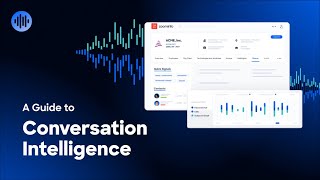
Revenue intelligence is AI that listens to your sales process, calls, emails, pipeline movement, and surfaces patterns humans miss. Gong, Chorus (owned by ZoomInfo), and Clari are the three dominant platforms. They're built for sales leaders, but they're goldmines for product marketers because they answer the hardest question: What messaging actually moves deals?
Traditional A/B testing tells you which email line opens more. Revenue intelligence tells you what your buyers said in the conversation before they decided to say no.
Why Marketers Need Revenue Intelligence
Sales call transcripts reveal four things marketing usually guesses about:
What messaging resonates. When a buyer hears "we cut your time-to-value by 40%," do they lean in or pivot? The AI tells you, across hundreds of calls. You see which value props appear in closed deals, which ones appear only in lost deals.
What objections kill deals. "That's too much like our legacy system" kills 60% of deals in your vertical. That's not speculation, it's pattern from 400 calls. Now you build messaging that addresses this objection before the buyer even raises it.
Which competitors get mentioned. You see how many times Competitor X appears in lost deals, what buyers say about them, and which of your features buyers cite when they choose you instead.
When buyers ask critical questions. Late in the sales cycle, buyers ask about implementation, security certifications, or integration with their specific stack. These late-stage questions shape what your PMM materials should emphasize during pipeline acceleration campaigns.
Deep Dive: Gong
Sales, Client Success, and Sales Enablement teams Needed visibility into which behaviors actually correlated with wins across a large global client base instead of relying on rep instinct. Used Gong to discover that deals with 4+ contacts closed more often, mandated multi-threading, and used Deal Boards to flag deals lagging 15+ days for coaching.
Result: 34% increase in win rate (within the sales cycles measured after rollout).
SourceGong (founded 2015, now valued at $7.5 billion) records and transcribes sales calls, then uses AI to annotate them. Here's what you get:
Deal risk scoring. Gong's AI predicts close probability based on call transcripts, email sentiment, and pipeline velocity. If a deal shows "high risk," the AI can show you which calls lacked certain keywords ("we're a fit for your use case") that appear in closed deals. This tells your marketing: these conversations happen late in the deal. Your campaigns should prime buyers to have this conversation sooner.
Topic tracking. You ask Gong: "Show me every mention of budget in calls with enterprise deals we won." It returns 87 calls, transcripts highlighted. You see that sales always positions price after demonstrating ROI, never as a cost. That informs your pricing page copy, lead with value, not sticker price.
Competitor intelligence. "How many deals mention Competitor X?" Gong shows you it came up in 45% of your closed deals and 68% of your losses. Dig into the losses: what did they say about X that won? What did you fail to counter? Now your battle card evolves.
Call moments. The platform flags moments in calls: discovery questions, commitments made, objections raised. This teaches your PMMs the rhythm of a conversation, what questions buyers care about, in what order. Your case studies and demo scripts should echo this rhythm.
How PMMs Use Gong Data
A product marketing manager at a B2B SaaS company runs a Gong report: "Closed deals where 'integration' was mentioned in the first call."
Only 18% of your closed deals have integration mentioned early. But Gong shows that when buyers raise integration in the first call, close rates jump 23%. Why? Because sales is already prepared with a technical answer, the buyer feels heard, and the deal moves faster.
Your PMM insight: create an integration-first battle card. Feature it in campaigns targeting technical buyers (who Google "integration with Salesforce" before they even demo). This flips the conversation rhythm, marketers pre-qualify buyers who care about integration, so sales gets fewer surprises.
Chorus (ZoomInfo) and Clari
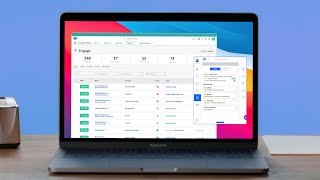
Account Management and Customer Success, ramping a newly built 19-person team A brand-new account management team needed a shared, data-grounded way to assess deal and renewal health instead of everyone forecasting from gut feel. Used Clari to inspect pipeline health, assess churn risk, and ground every forecast call in the same dashboard data across the whole team.
Result: Reached 100% forecast accuracy by week 7 of their first fully ramped quarter, with worst-case variance of just 7% (first fully ramped quarter after the team was built).
SourceChorus (acquired by ZoomInfo in 2019) is similar to Gong, call recording, AI transcription, deal intelligence. ZoomInfo has bundled it with their CRM and contact data, so you see: this person's title, company, industry, what they said in their last call, and whether they're in an active buying cycle. Chorus is stronger if you're already deep in the ZoomInfo ecosystem.
Clari (founded 2013) focuses on revenue forecasting. While Gong and Chorus analyze what was said, Clari predicts what will close. It ingests CRM data, email, calls, and calendar, then predicts deal slippage, compression, and closure. For marketers, Clari answers: "Which pipeline segment is at risk?" This informs campaign timing, if Clari flags "Q3 enterprise deals are 40% likely to slip to Q4," your PMM can build an urgency campaign for Q3 mid-market to offset the gap.
Getting Access as a Marketer
You likely won't have personal Gong seats, sales owns the contract. But here's how PMMs get what they need:
Partner with sales ops. Ask your sales leader or operations manager for a read-only Gong role. You don't need to run live calls; you need historical access. Most Gong contracts include 3–5 analyst seats. Claim one.
Request monthly exports. If Gong access is locked, ask sales ops for a monthly export: top competitors mentioned, most common objections in lost deals, deal-risk keywords that correlate with closes. This is a 30-minute report for them.
Create standing reports. Work with sales ops to build a dashboard: "Objections in deals over $100K," "Pricing mentions and their outcome," "Time from first call to close." Check it monthly.
Set up Slack alerts. Gong can post to Slack when a call includes keywords you care about. Have it flag "competitor comparison," "ROI calculation," "security certification", then jump on the call replay or transcript while the conversation is fresh in your mind.
Turning Intelligence Into Messaging
You've got data. Now what?
Battle cards. Competitor X appears in 55% of lost deals. Pull 10 calls where buyers chose you over X instead. What did you say? Extract those quotes into your battle card. Real language from real winners beats consultant copy.
Case studies. Clari shows a cohort of deals that almost slipped, but a last-minute technical objection was handled in a call. Turn that moment into a case study: title it around the objection, not the company. "How we solved [common technical objection]" attracts prospects at that exact decision point.
Campaign themes. Gong shows that "integration time" is mentioned in 70% of enterprise deals. Build your Q3 campaign entirely around "Integration in [4 weeks]." Run ads on search terms mentioning integration. Let revenue intelligence drive your entire marketing narrative, not your assumptions.
Email sequences. If Gong shows buyers ask "Does it work with Salesforce?" late in the deal, your PMM email sequences should answer it earlier. Build the email so sales can say "See, here's our Salesforce story" without repeating themselves.
Privacy and Compliance
Call recording laws vary by region. Most U.S. states are "one-party consent", your company can record if one party (the call handler) consents. But California, Florida, Pennsylvania, and Illinois require all parties consent. If your sales team calls into those states, they must disclose recording and get approval.
Your Gong contract should include compliance guardrails. Most Gong instances are set to purge data after 90–180 days for GDPR markets. Check your settings. As a marketer pulling Gong insights, remember: you're seeing real customer conversations. Anonymize any quotes in external materials (case studies, webinars).
The Bottom Line
Revenue intelligence stops you from guessing what messaging works. Instead of running five A/B tests on subject lines, Gong shows you that your biggest wins all mention "reduce manual work." Instead of arguing about competitor positioning, you see exactly where you beat them in real conversations.
Gong, Chorus, and Clari turn unstructured sales data into competitive advantages. For PMMs, they're not nice-to-haves, they're how you move from intuition to evidence.